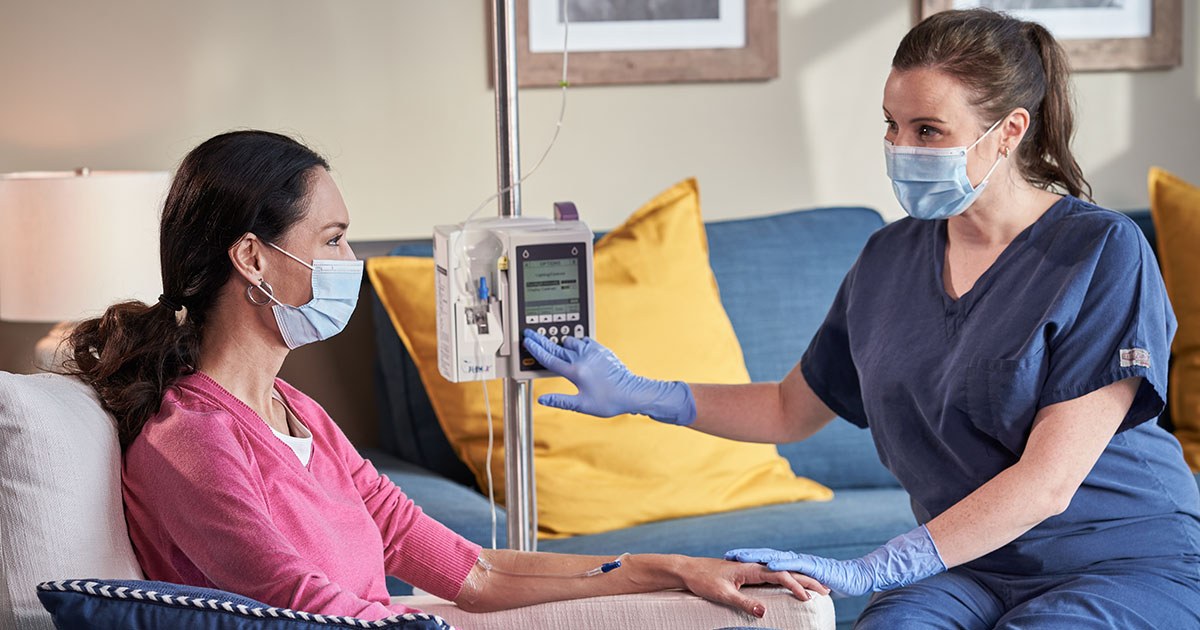
Chemotherapy is a widely recognized and effective form of cancer treatment that uses powerful drugs to destroy or slow the growth of cancer cells in the body. Unlike surgery or radiation therapy, which target specific areas, chemotherapy works systemically — traveling through the bloodstream to reach cancer cells that may have spread to other parts of the body. It is often used in combination with other treatments, such as surgery or radiation, to increase the chances of successful cancer management.
How Chemotherapy Works
Cancer cells divide and grow rapidly — much faster than most normal cells. Chemotherapy drugs are designed to interfere with this process by disrupting cell division or damaging the DNA within cancer cells, ultimately causing them to die. Unfortunately, chemotherapy can also affect healthy cells that grow quickly, such as those in the hair follicles, digestive tract, and bone marrow. This is why many patients experience side effects during treatment.
Types and Delivery of Chemotherapy
Chemotherapy can be administered in several ways, depending on the type of cancer, its stage, and the patient’s health condition. The most common method is intravenous (IV) chemotherapy, where drugs are delivered directly into the bloodstream. Other forms include oral chemotherapy (in pills or capsules), injections, and topical applications for certain skin cancers.
Chemotherapy regimens vary widely. Some patients receive treatment in cycles, with rest periods in between to allow the body to recover. Others may have continuous low-dose therapy over an extended period. Treatment duration and intensity are customized for each patient.
Common Uses of Chemotherapy
Chemotherapy can be used for various purposes, including:
-
Curing cancer: In some cases, chemotherapy can completely eliminate cancer.
-
Controlling cancer: It can shrink tumors or stop cancer from spreading.
-
Palliative care: It can relieve symptoms and improve quality of life in advanced stages.
It is frequently used for cancers like leukemia, lymphoma, breast cancer, lung cancer, colon cancer, and more.
Side Effects and Management
While chemotherapy is effective, it often comes with side effects. The most common include fatigue, nausea, vomiting, hair loss, anemia, and increased risk of infections. These effects depend on the specific drugs used and individual patient response. Medical teams closely monitor patients to manage side effects and adjust treatment when needed. Supportive medications, lifestyle changes, and nutritional support can significantly reduce discomfort during chemotherapy.
Recent Advances and Hope for the Future
Ongoing research has led to more targeted forms of chemotherapy and combination therapies that are more precise and cause fewer side effects. Innovations like immunotherapy and personalized medicine are being integrated with chemotherapy to improve outcomes.
Conclusion
Chemotherapy remains a cornerstone in the fight against cancer, offering hope and extended life for millions of patients. While it can be challenging, advancements in treatment protocols and supportive care have made the process more tolerable and effective. If you or a loved one is undergoing chemotherapy, a strong support system and open communication with healthcare providers can make a significant difference.