What Is Radiotherapy? Benefits, Types, and How It Works
Radiotherapy, also known as radiation therapy, is a medical treatment that uses high-energy radiation to destroy cancer cells or shrink tumors. It is one of the most common treatments for cancer, often used alongside surgery, chemotherapy, or immunotherapy to improve patient outcomes.
How Radiotherapy Works
Radiotherapy works by damaging the DNA inside cancer cells, making it difficult for them to grow and divide. Over time, the damaged cells die, and the body naturally removes them. While healthy cells can also be affected, they are generally better at repairing themselves compared to cancer cells.
There are two main types of radiotherapy:
-
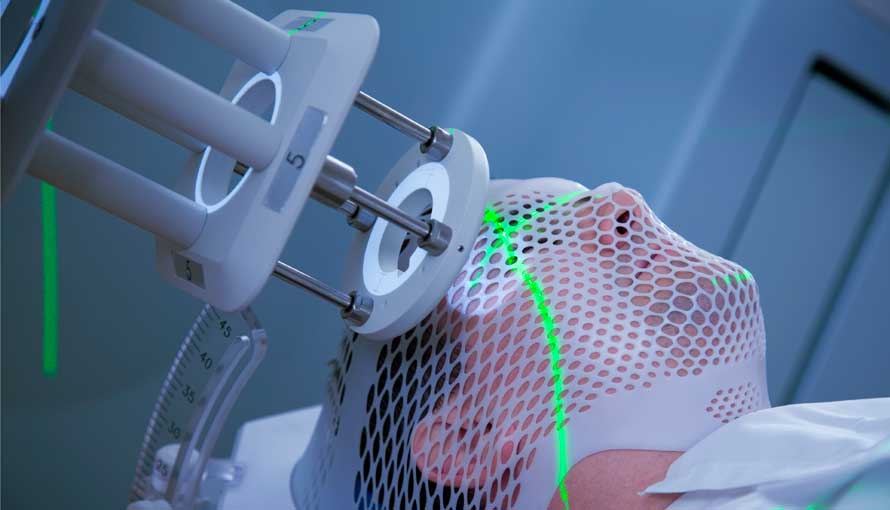
External Beam Radiotherapy (EBRT): This is the most common form. A machine outside the body delivers radiation precisely to the tumor site.
-
Internal Radiotherapy (Brachytherapy): This involves placing radioactive material inside or near the tumor, allowing for high doses of radiation in a localized area.
Types of Cancer Treated with Radiotherapy
Radiotherapy is used to treat various types of cancer, including:
-
Breast cancer
-
Prostate cancer
-
Lung cancer
-
Brain tumors
-
Head and neck cancers
-
Cervical and uterine cancer
It can be used in the early stages to eliminate cancer, or in advanced stages to relieve symptoms (called palliative radiotherapy).
Benefits of Radiotherapy
-
Non-invasive (especially EBRT)
-
Targets cancer with precision
-
Can shrink tumors before surgery
-
Often used after surgery to eliminate remaining cancer cells
-
Reduces the risk of cancer recurrence
Side Effects of Radiotherapy
While radiotherapy is generally safe and effective, it may cause some side effects depending on the area being treated. Common side effects include:
-
Fatigue
-
Skin irritation or redness
-
Nausea
-
Hair loss (in treated area)
-
Temporary or permanent tissue changes
Doctors carefully plan each treatment to minimize damage to healthy tissue.
Preparing for Radiotherapy
Before starting radiotherapy, patients undergo a planning session called simulation, which includes imaging scans (CT or MRI) to map the exact location of the tumor. This ensures radiation is delivered accurately and safely.